
The Dangers of RLE
RLE should not be treated as a simple cosmetic upgrade or a guaranteed path to glasses-free vision.
Refractive lens exchange permanently removes the natural lens and replaces it with an artificial intraocular lens. Although many patients undergo lens surgery successfully, RLE carries real risks because it is performed inside the eye.
Understanding those risks can help you determine whether lens replacement is necessary—or whether LASIK may provide an alternative.
RLE Permanently Removes the Natural Lens
The natural lens cannot be put back after RLE.
An artificial lens may provide useful distance, intermediate or near vision, depending on its design. However, it does not perfectly recreate the full focusing ability of a young natural lens.
An IOL can sometimes be exchanged, but exchange requires another operation and introduces additional risk.
Potential RLE Complications
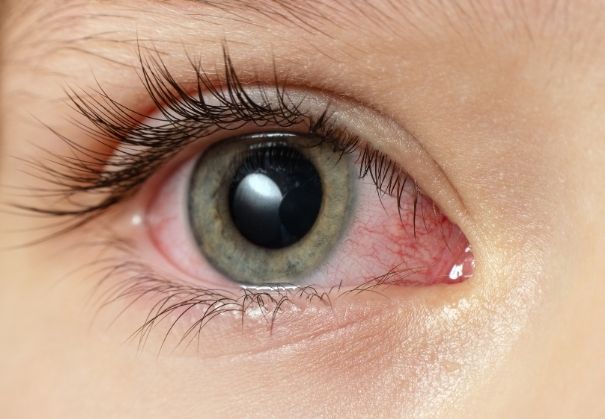
Possible complications include:
- Infection or significant inflammation
- Bleeding inside the eye
- Increased eye pressure
- Corneal swelling
- Macular swelling
- Retinal tear or detachment
- Damage to internal eye structures
- IOL movement, rotation or dislocation
- Under-correction or over-correction
- Glare, halos or reduced night vision
- Continued need for glasses
- Additional laser treatment or surgery
- Rare permanent vision loss
Certain patients with high myopia, retinal disease or previous retinal problems may face additional concerns.
Vision May Not Feel “Natural”
A successful eye-chart result does not always mean perfect real-world vision.
Some patients experience:
- Halos around lights
- Glare while driving at night
- Reduced contrast in dim conditions
- Difficulty adapting to multifocal optics
- Different quality of vision at near, intermediate and distance ranges
Premium lenses can reduce glasses dependence, but they cannot guarantee complete freedom from eyewear.


Can Cataracts Return After RLE?
The removed natural lens cannot develop a cataract. However, the capsule supporting the artificial lens can become cloudy.
This condition is called posterior capsule opacification. It may require a separate laser treatment and should not be confused with a new cataract.
Find Out If You Can Preserve Your Natural Lens
LASIK corrects vision at the cornea without removing the natural lens or implanting an artificial one.
For qualifying patients with healthy corneas and no significant lens disease, LASIK may correct nearsightedness, farsightedness or astigmatism while avoiding risks specific to intraocular lens surgery.
LASIK has its own risks and cannot treat cataracts, but it is worth evaluating before choosing permanent lens replacement.
Explore LASIK Before Replacing Your Natural Lens
LASIK of Nevada specializes in LASIK and PRK rather than RLE. Our team can determine whether you may be able to achieve your vision goals through corneal laser correction.
This information is educational and does not replace an individualized examination. All surgical procedures carry risks.