
RLE vs. LASIK: Which Is Safer?
RLE and LASIK can both be appropriate for carefully selected patients, but they correct vision in very different ways.
Refractive lens exchange, or RLE, removes the natural lens inside the eye and replaces it with an artificial intraocular lens. LASIK reshapes the cornea while leaving the natural lens in place.
For patients with healthy corneas and no significant cataract or lens disease, LASIK may provide a less invasive way to reduce dependence on glasses or contacts. However, neither procedure is safest for everyone. The right choice depends on your prescription, corneal health, natural lens, retina and visual goals.
How Do RLE and LASIK Differ?
LASIK is a corneal laser procedure. A femtosecond laser creates a thin flap, and an excimer laser reshapes the underlying corneal tissue to correct nearsightedness, farsightedness or astigmatism.
RLE is performed inside the eye. The natural lens is removed and replaced with an artificial lens selected to address the patient’s prescription and focusing needs.
Because LASIK does not enter the inside of the eye or remove the natural lens, it avoids risks associated specifically with intraocular lens surgery.
Potential Risks of RLE
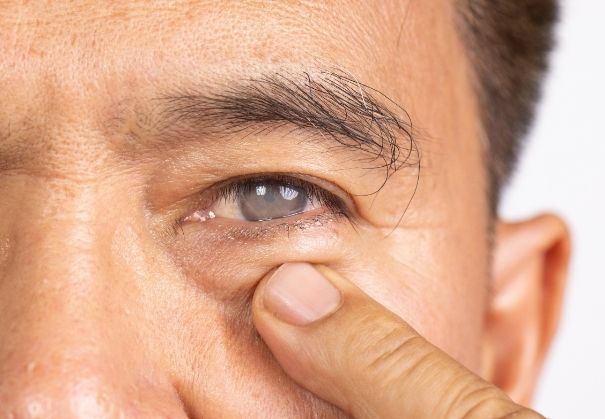
Possible RLE complications include:
- Infection, bleeding or inflammation
- Increased eye pressure
- Corneal or retinal swelling
- Retinal tear or detachment
- Artificial-lens positioning problems
- Glare, halos or reduced contrast
- Residual prescription
- Continued need for glasses
- Additional laser treatment or surgery
- Rare vision loss
RLE is also permanent. Although an artificial lens can sometimes be exchanged, doing so requires another operation.
Potential Risks of LASIK
Possible LASIK side effects and complications include:
- Temporary or persistent dry eye
- Glare, halos or starbursts
- Fluctuating vision during healing
- Under-correction or over-correction
- Flap-related complications
- Infection or inflammation
- Corneal weakening
- Continued need for glasses
- Rare vision loss
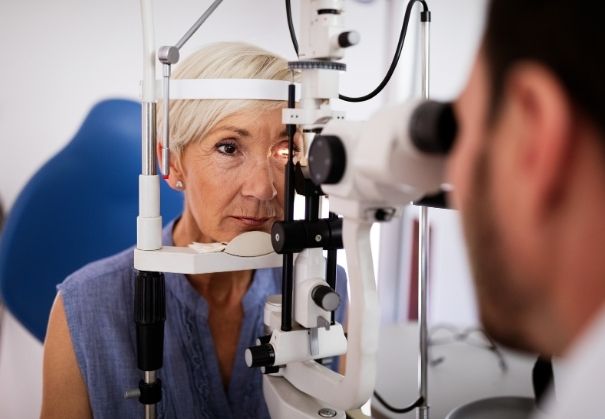
Careful testing helps identify patients whose corneas, tear film or overall eye health make LASIK less appropriate.
Is LASIK Safer Because It Is Less Invasive?
LASIK avoids removing the natural lens and placing an implant inside the eye. That makes it less invasive than RLE, but it does not automatically make LASIK safer for every person.
LASIK may be considered when:
- Your prescription is stable
- Your corneas are healthy
- You do not have a significant cataract
- Your vision problem is primarily refractive
- You want to preserve your natural lens
- You understand that reading glasses may still be needed as you age
If cataracts or natural-lens changes are causing your vision problems, LASIK may not address the underlying issue.
What If I Am Over 40?
Being over 40 does not automatically mean you need RLE. Many adults in their 40s, 50s and beyond remain potential LASIK candidates.
LASIK can correct distance vision, while selected patients may reduce their dependence on readers through monovision. LASIK cannot stop the natural progression of presbyopia, so your near-vision goals should be discussed during your consultation.

Find Out Whether LASIK Is an Option
LASIK of Nevada specializes in LASIK and PRK rather than RLE. Our experienced team can evaluate whether you may be able to improve your vision without replacing your natural lens.
If LASIK is not appropriate for your eyes, we will explain why.
LASIK of Nevada serves patients in Las Vegas, Summerlin and Reno.
This information is educational and does not replace an examination or individualized recommendation. All surgical procedures carry risks, and results vary.