
CLR, RLE, CLE and Premium Lens Exchange: Are They the Same?
CLR, RLE, CLE and Premium Lens Exchange commonly describe procedures that remove the natural lens and replace it with an artificial intraocular lens.
The terminology varies between providers, but the most important question is not what the procedure is called. It is whether you need to replace your natural lens at all.
For qualifying patients with healthy natural lenses, LASIK may provide a less invasive alternative.
What Does RLE Mean?
RLE stands for refractive lens exchange.
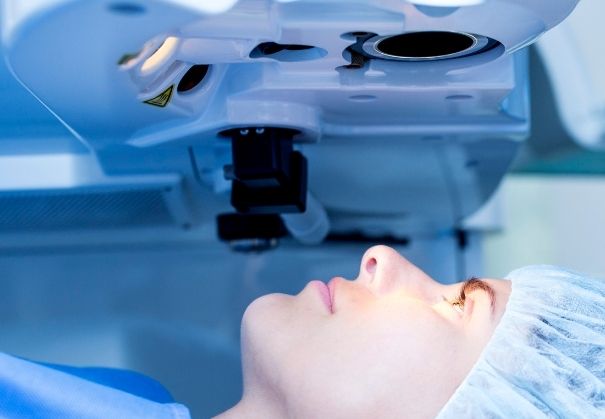
During RLE, the natural lens is removed and replaced with an artificial intraocular lens to correct refractive error or address age-related focusing problems.

What Does CLE Mean?
CLE usually means clear lens exchange or clear lens extraction.
The term emphasizes that the natural lens is being removed before a visually significant cataract has developed. In most patient-facing discussions, CLE and RLE describe the same basic procedure.
What Does CLR Mean?
CLR may mean clear lens replacement or custom lens replacement.
Unlike RLE, CLR is not always used consistently. Patients should ask the provider exactly what procedure is being performed and which artificial lens will be implanted.


What Is Premium Lens Exchange?
Premium Lens Exchange is generally a marketing term for lens replacement involving an advanced-technology IOL.
Depending on the provider, the lens may be:
- Monofocal
- Toric
- Multifocal
- Trifocal
- Extended depth of focus
A premium label does not guarantee perfect vision or complete freedom from glasses. Every lens design has potential benefits and trade-offs.
How Is Lens Exchange Different From LASIK?
Lens exchange removes the natural lens and implants an artificial one inside the eye.
LASIK leaves the natural lens in place. Instead, it reshapes the cornea to correct nearsightedness, farsightedness or astigmatism.
LASIK does not treat cataracts or stop presbyopia, but it may allow qualifying patients to improve their vision without permanent lens replacement.

Do You Need Lens Exchange?
Lens-based treatment may be considered when cataracts, presbyopia or natural-lens changes are responsible for declining vision.
- LASIK may be considered when:
- The natural lens remains healthy
- The prescription is stable
- The corneas can safely support treatment
- The primary problem is refractive error
- The patient wants to preserve the natural lens
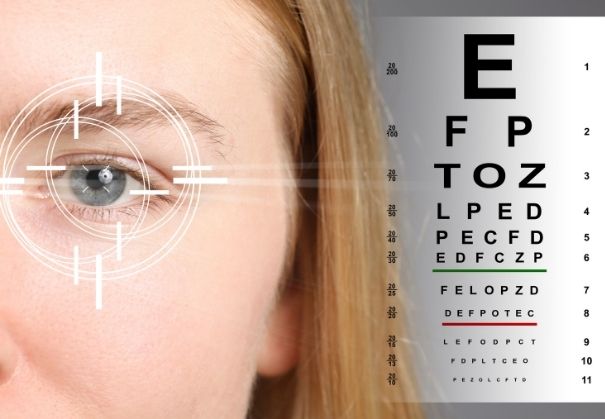
A comprehensive examination is needed to distinguish a corneal refractive problem from a lens-based vision problem.
Explore LASIK Before Replacing Your Natural Lens
LASIK of Nevada does not offer RLE, CLE, CLR or Premium Lens Exchange. We specialize in LASIK and PRK and can determine whether corneal laser vision correction may safely address your goals.
If cataracts or lens changes make LASIK inappropriate, our team will explain why.
LASIK of Nevada serves patients in Las Vegas, Summerlin and Reno.
This information is educational and does not replace a comprehensive eye examination. All surgical procedures carry risks, and results vary.